Summer Seasonal Flower

गर्मी के मौसम के फूल वे फूल होते हैं जो विशेष रूप से गर्मियों के मौसम में खिलते हैं। ये फूल अपनी रंगीनता, सुगंध और सुंदरता के लिए जाने जाते हैं। गर्मी के फूल न केवल बगीचों की शोभा बढ़ाते हैं, बल्कि पर्यावरण को ताजगी और सौंदर्य भी प्रदान करते हैं।

गर्मी का मौसम अपने साथ लाता है रंग-बिरंगे और खूबसूरत फूलों की एक अद्भुत श्रृंखला। इस मौसम में खिलने वाले फूल न केवल हमारे बगीचों को सजाते हैं, बल्कि यह हमें प्रकृति की सुंदरता और जीवन के उत्साह का अनुभव भी कराते हैं। गर्मी के मौसम के फूलों में सूरजमुखी, गुलाब, जीनिया, और बोगेनविलिया जैसे फूल शामिल हैं, जो अपनी खूबसूरती और खुशबू से वातावरण को महकाते हैं।
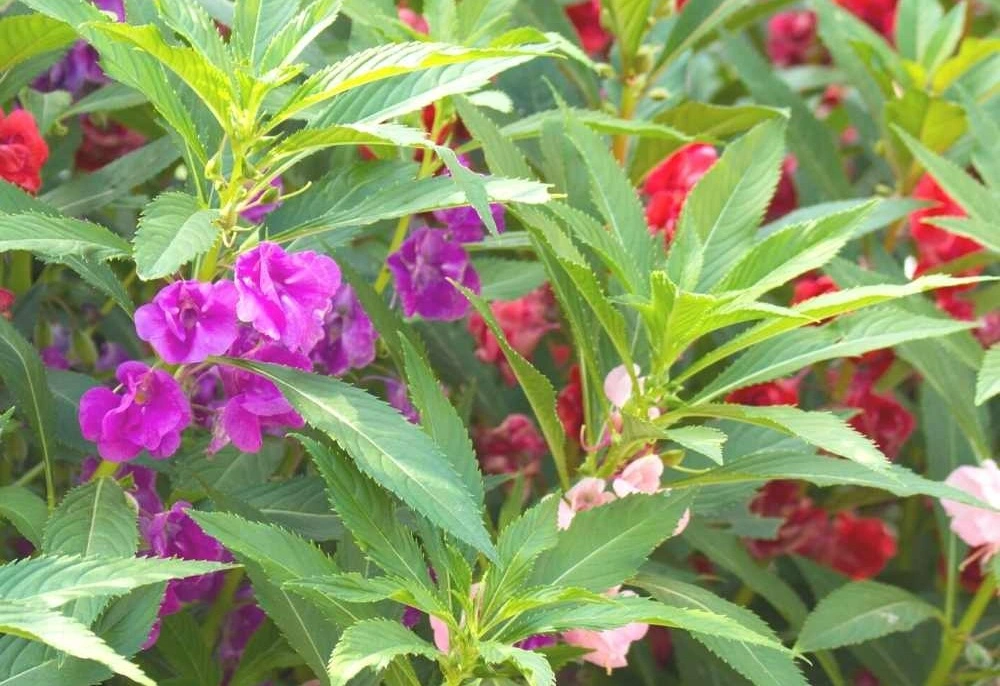
Balsam Summer Seasonal Flowers Jannat Nursery)img

Balsam

The Balsam Flower, commonly known as Garden Balsam, is a flowering plant belonging to the family Balsaminaceae. It is native to South and Southeast Asia but is widely cultivated and naturalized in other tropical and subtropical regions due to its attractive flowers and ease of growth. Below is a detailed description:

Physical Characteristics:

  • Plant Type: Annual herbaceous plant.
  • Height: Typically grows to a height of 30–75 cm (12–30 inches).
  • Stem: Succulent, semi-transparent, and often branched.
  • Leaves: Alternate or whorled. Lance-shaped with serrated edges. Bright green and slightly glossy.

Flowers:

  • Shape: Cup-shaped, irregular, and bilaterally symmetrical.
  • Colors: Varieties include pink, red, purple, white, orange, and multicolored patterns.
  • Arrangement: Found singly or in clusters along the leaf axils.
  • Blooming Season: Summer to early autumn.

Growth Requirements:

  • Sunlight: Thrives in partial shade to full sun.
  • Soil: Prefers moist, well-drained soil rich in organic matter.
  • Watering: Requires regular watering but does not tolerate waterlogged conditions.
  • Temperature: Warm climates are ideal; it is sensitive to frost.

Uses:

  1. Ornamental: Popular in gardens, borders, and containers for its vibrant flowers.
  2. Medicinal: Traditionally used in folk medicine for skin ailments, burns, and inflammation.
  3. Cultural: In some cultures, its flowers are used for making natural dyes.
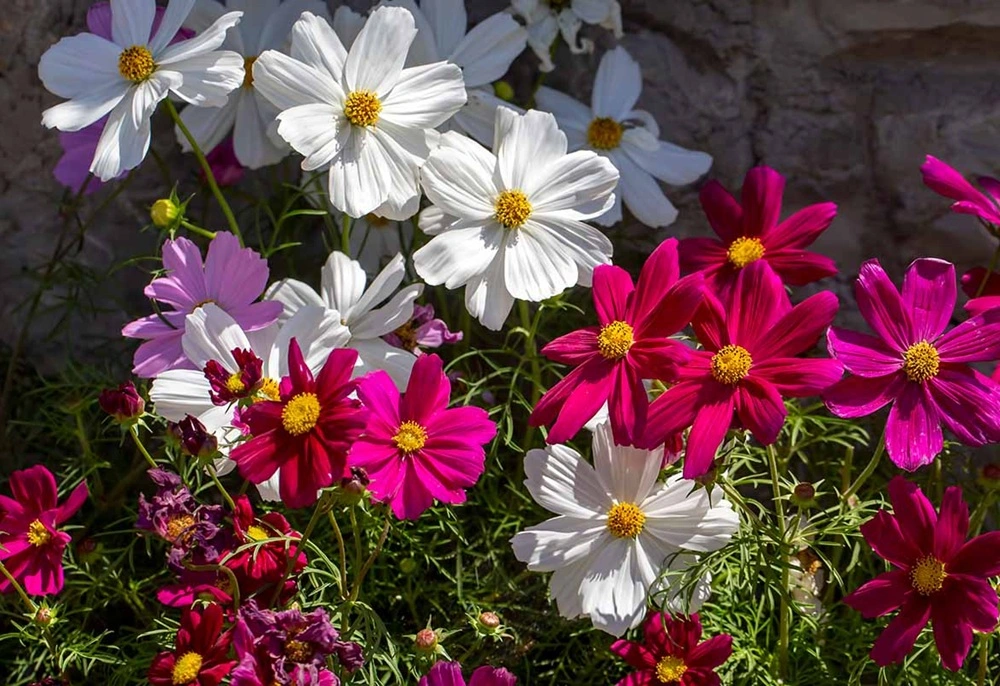
Cosmos Summer Seasonal Flower Jannat Nursery)img

Cosmos

The Cosmos Flower, is a charming and widely cultivated flowering plant belonging to the family Asteraceae. Known for its delicate beauty and easy-to-grow nature, cosmos is native to Mexico but has been naturalized in various regions worldwide.

Physical Characteristics:

  • Plant Type: Annual or perennial herbaceous plant, depending on the species.
  • Height: Ranges from 30 cm to 2 meters (1–6.5 feet) tall, depending on the variety.
  • Stem: Slender, erect, and slightly branching.
  • Leaves: Feathery, finely divided, and delicate in appearance. Bright green and arranged alternately along the stems.

Flowers:

  • Shape: Daisy-like with a central disc surrounded by radiating petals.
  • Colors: Includes shades of pink, white, red, yellow, orange, and purple.
  • Size: Flower heads typically measure 5–10 cm (2–4 inches) in diameter.
  • Blooming Season: Late spring to autumn, with blooms peaking in midsummer.
  • Fragrance: Mild and pleasant.

Growth Requirements:

  • Sunlight: Prefers full sun for optimal blooming.
  • Soil: Tolerant of poor soils but grows best in well-drained, moderately fertile soil.
  • Watering: Drought-tolerant but benefits from regular watering during prolonged dry periods.
  • Temperature: Thrives in warm climates; sensitive to frost.

Uses:

  1. Ornamental: Ideal for cottage gardens, borders, and wildflower meadows due to its vibrant blooms.
  2. Pollinator-Friendly: Attracts bees, butterflies, and other pollinators.
  3. Cut Flowers: Long-lasting and popular in floral arrangements.
  4. Companion Plant: Often grown alongside vegetables to repel pests and enhance garden biodiversity.
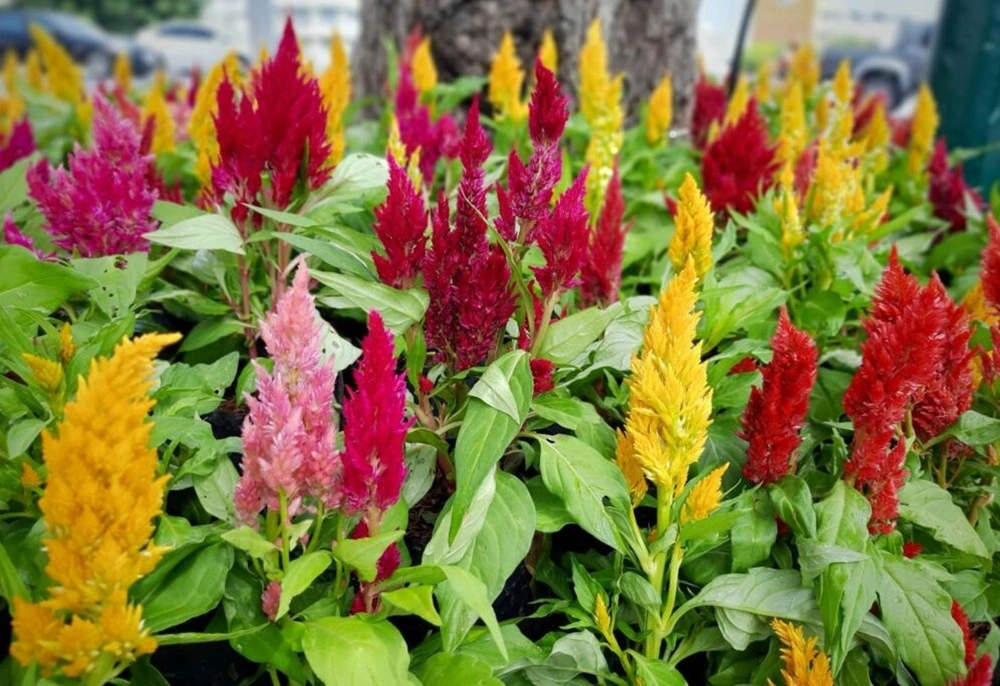
Celosia Summer Seasonal Flowers)img

Celosia

The Celosia Flower, commonly known as cockscomb, woolflower, or flamingo feather, is a vibrant and uniquely textured plant from the Amaranthaceae family. Native to tropical regions of Africa and Asia, it is a popular choice in gardens for its striking blooms and rich colors.

Physical Characteristics:

  • Plant Type: Annual herbaceous plant, though perennial in tropical climates.
  • Height: Typically grows between 15 cm and 1.2 meters (6 inches to 4 feet), depending on the variety.
  • Stem: Upright, sturdy, and often glossy.
  • Leaves: Lance-shaped or ovate. Bright green or sometimes tinged with red or purple. Smooth-edged and alternately arranged along the stems.

Flowers:

  • Shape: Flowers are small and densely packed into showy inflorescences that take various forms:
    1. Crested (Cockscomb): Flattened and wavy, resembling a rooster’s comb.
    2. Plumed (Feathery): Upright, feathery, and fluffy, resembling flames or feathers.
    3. Spiked: Elongated and candle-like spikes.
  • Colors: Vibrant shades of red, orange, yellow, pink, purple, and creamy white.
  • Blooming Season: Summer through late autumn.

Growth Requirements:

  • Sunlight: Thrives in full sun but can tolerate light shade.
  • Soil: Prefers well-drained, fertile soil rich in organic matter.
  • Watering: Requires moderate watering; drought-tolerant once established.
  • Temperature: Warm climates are ideal, as the plant is frost-sensitive.

Uses:

  1. Ornamental: Perfect for borders, flower beds, and container gardening.
  2. Cut Flowers: Long-lasting in bouquets and floral arrangements.
  3. Dried Flowers: Retains color and texture, making it ideal for dried arrangements.
  4. Culinary: Young leaves and stems of certain species, such as Celosia argentea, are edible and used as leafy greens in some cuisines.
  5. Medicinal: Traditional medicine uses include treatments for inflammation and diarrhea.
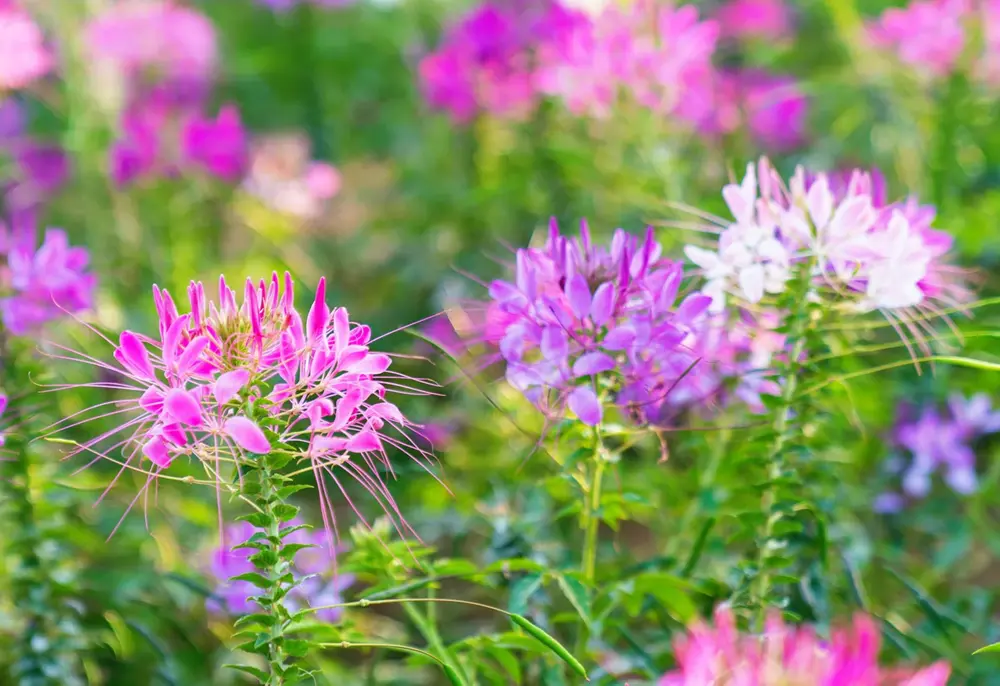
Cleome Summer Seasonal Flowers)img

Cleome

The Cleome Flower, commonly known as Spider Flower, is a striking and elegant flowering plant from the Cleomaceae family. It is native to tropical and subtropical regions but has become a favorite in gardens worldwide for its unique appearance and ability to attract pollinators.

Physical Characteristics:

  • Plant Type: Annual or perennial herbaceous plant, depending on the species and climate.
  • Height: Typically grows between 90 cm and 1.5 meters (3–5 feet) tall.
  • Stem: Upright, sturdy, and slightly woody at the base.
  • Leaves: Palmately compound, with 5–7 slender leaflets radiating from a central point. Bright green and lightly toothed. May emit a faint odor when crushed.

Flowers:

  • Shape: Distinctive, spider-like flowers with long, slender stamens extending outward, giving them a wispy, delicate appearance.
  • Colors: Shades of pink, white, lavender, or purple, often with subtle gradients.
  • Size: Individual flowers are small but form large, spherical clusters (inflorescences) at the top of stems.
  • Blooming Season: Summer through early autumn.
  • Fragrance: Mildly sweet and pleasant.

Growth Requirements:

  • Sunlight: Thrives in full sun for optimal growth and blooming.
  • Soil: Prefers well-drained, moderately fertile soil.
  • Watering: Drought-tolerant but benefits from regular watering during dry spells.
  • Temperature: Loves warm climates and grows well in summer heat.
  • Fertilization: Light feeding with a balanced fertilizer enhances blooming.

Uses:

  1. Ornamental: Adds vertical interest and an exotic touch to flower beds, borders, and cottage gardens.
  2. Pollinator-Friendly: Attracts bees, butterflies, and hummingbirds.
  3. Cut Flowers: Long-lasting in floral arrangements.
  4. Cultural: In some regions, cleome is considered a symbol of beauty and elegance.
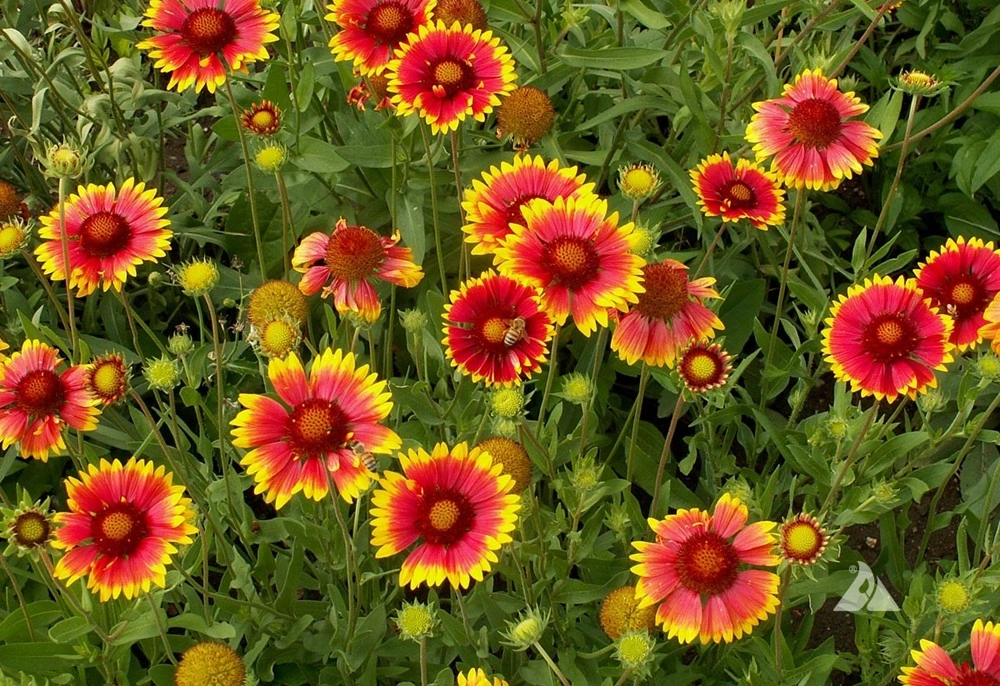
Gaollardia Summer Seasonal Flowers)img

Gaillardia

The Gaillardia Flower, commonly known as Blanket Flower, is a cheerful and hardy flowering plant in the Asteraceae family. Native to North and South America, it is celebrated for its vibrant, daisy-like blooms and ability to thrive in various conditions.

Physical Characteristics:

  • Plant Type: Herbaceous perennial or annual, depending on the species.
  • Height: Typically grows between 30 cm and 90 cm (1–3 feet) tall.
  • Stem: Erect, slightly hairy, and branching.
  • Leaves: Lance-shaped or lobed. Green to gray-green, with a slightly hairy texture. Alternate arrangement along the stem.

Flowers:

  • Shape: Daisy-like, with a central disc surrounded by radiating petals (ray florets).
  • Colors: Warm tones of red, orange, yellow, and gold, often with striking patterns or gradients.
  • Size: Flower heads are 5–10 cm (2–4 inches) in diameter.
  • Blooming Season: Late spring through autumn, with continuous blooms in favorable conditions.
  • Fragrance: Typically mild or non-fragrant.

Growth Requirements:

  • Sunlight: Requires full sun for optimal blooming.
  • Soil: Thrives in well-drained, sandy, or rocky soils; tolerates poor soil conditions.
  • Watering: Drought-tolerant but benefits from occasional watering during prolonged dry spells.
  • Temperature: Prefers warm climates and is frost-sensitive, though some perennial varieties are winter-hardy.
  • Fertilization: Minimal fertilization is required; too much can reduce flowering.

Uses:

  1. Ornamental: Perfect for borders, rock gardens, and wildflower meadows due to its vibrant colors and long blooming period.
  2. Pollinator-Friendly: Attracts bees, butterflies, and other beneficial insects.
  3. Cut Flowers: Adds warmth and charm to floral arrangements.
  4. Erosion Control: Effective in stabilizing sandy or rocky soil.
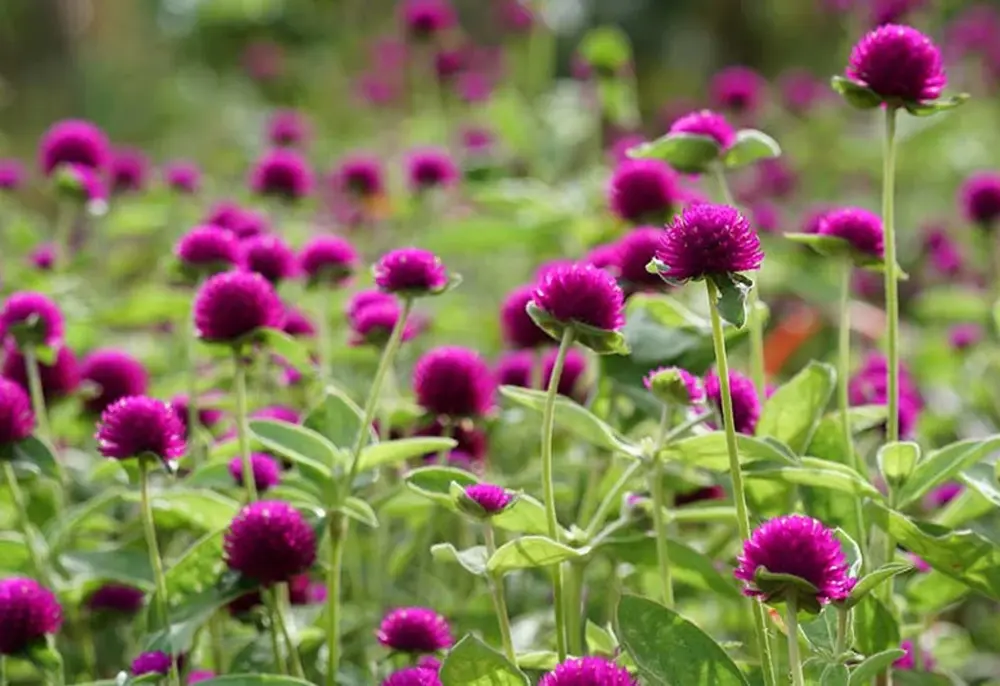
Gomphrena Summer Seasonal Flowers)img

Gomphrena

The Gomphrena Flower, commonly known as Globe Amaranth, is a hardy and vibrant flowering plant in the Amaranthaceae family. Native to Central America, it is widely grown in gardens for its globe-shaped blooms and long-lasting color, both fresh and dried.

Physical Characteristics:

  • Plant Type: Annual herbaceous plant, though perennial in tropical climates.
  • Height: Grows between 30 cm and 60 cm (12–24 inches) tall.
  • Stem: Erect, branching, and slightly hairy.
  • Leaves: Oval to lance-shaped, with a slightly hairy texture. Bright green and arranged alternately on the stem.

Flowers:

  • Shape: Round, clover-like, and compact flower heads.
  • Colors: Shades of pink, purple, magenta, red, white, and orange.
  • Texture: Papery bracts give the flowers their distinctive, vibrant appearance.
  • Blooming Season: Late spring through autumn.
  • Fragrance: Typically non-fragrant.

Growth Requirements:

  • Sunlight: Thrives in full sun for optimal blooming.
  • Soil: Prefers well-drained, sandy, or loamy soil; tolerates poor soil conditions.
  • Watering: Drought-tolerant but benefits from moderate watering during dry periods.
  • Temperature: Loves warm, tropical climates but grows well in temperate zones during summer.
  • Fertilization: Minimal feeding is required; thrives in low-nutrient soils.

Uses:

  1. Ornamental: Popular in gardens, borders, and containers for its vibrant, globe-shaped blooms.
  2. Dried Flowers: Retains its color and shape when dried, making it ideal for crafts, wreaths, and dried floral arrangements.
  3. Medicinal: Traditional medicine uses include treatments for respiratory issues and inflammation.
  4. Pollinator-Friendly: Attracts bees, butterflies, and other beneficial insects.
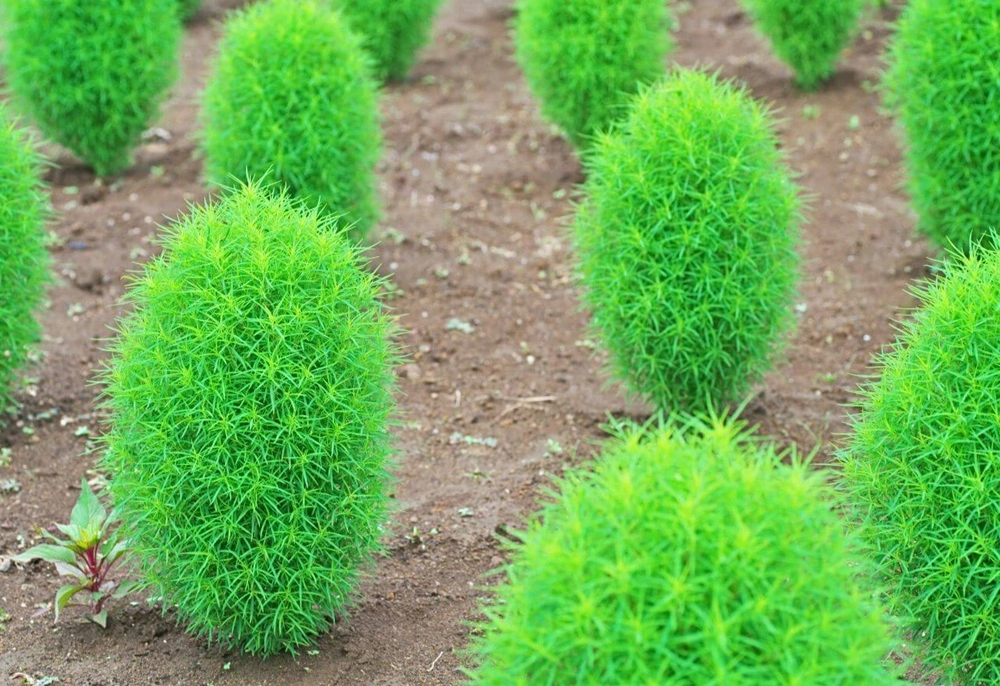
Kochia Summer Seasonal Flowers)img

Kochia

The Kochia Plant, also known as Summer Cypress, Burning Bush, or Mexican Fireweed, is a fast-growing ornamental and fodder plant from the Amaranthaceae family. Though its flowers are inconspicuous, its striking foliage, especially when it turns vibrant red in autumn, makes it a favorite in gardens and landscapes.

Physical Characteristics:

  • Plant Type: Annual herbaceous shrub.
  • Height: Grows between 60 cm and 150 cm (2–5 feet) tall.
  • Stem: Upright, branched, and slightly woody at the base.
  • Leaves: Linear to lance-shaped, soft, and slightly hairy. Bright green during summer, turning shades of red, orange, or purple in autumn.

Flowers:

  • Appearance: Tiny, greenish, and inconspicuous, clustered at the leaf axils.
  • Blooming Season: Late summer to early autumn.
  • Significance: The flowers are not showy and are often overshadowed by the plant’s colorful foliage.

Growth Requirements:

  • Sunlight: Thrives in full sun but tolerates partial shade.
  • Soil: Prefers well-drained soil but is highly adaptable to poor and saline soils.
  • Watering: Drought-tolerant but benefits from moderate watering during dry spells.
  • Temperature: Prefers warm climates; grows well in summer and withstands moderate frost.
  • Fertilization: Minimal fertilization is required.

Uses:

  1. Ornamental: Commonly used as a landscape plant for hedges, borders, and mass plantings due to its striking autumn foliage.
  2. Erosion Control: Effective in stabilizing soil in sandy or rocky areas.
  3. Fodder: Used as livestock feed in some regions.
  4. Ecological: Acts as a cover crop to prevent soil erosion and improve soil fertility.
  5. Cultural: Popular in decorative gardens, especially in Japanese landscapes where it is admired for its fiery red fall color.
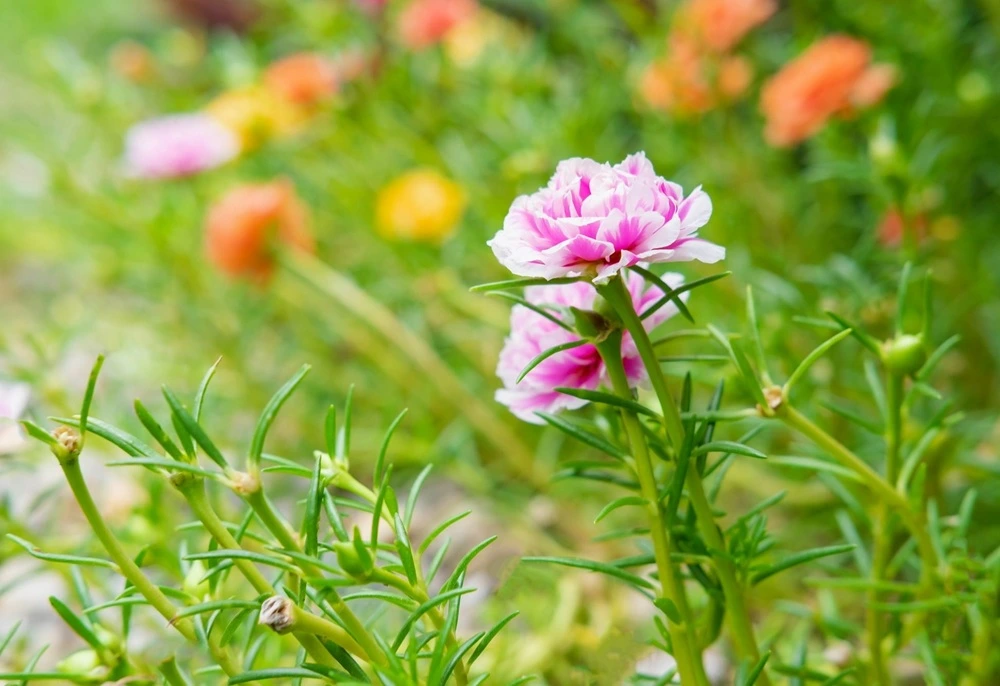
Portulaca Summer Seasonal Flowers)img

Portulaka

The Portulaca Flower, commonly known as Moss Rose, is a stunning and resilient flowering plant in the Portulacaceae family. Native to South America, it is prized for its vibrant, rose-like blooms and drought-tolerant nature, making it a favorite in sunny gardens and landscapes.

Physical Characteristics:

  • Plant Type: Low-growing, annual succulent plant.
  • Height: Typically grows 15–30 cm (6–12 inches) tall.
  • Spread: Forms a dense mat, spreading up to 30–60 cm (12–24 inches).
  • Stems: Sprawling, reddish, and fleshy.
  • Leaves: Small, needle-like, and succulent. Bright green and smooth-textured.

Flowers:

  • Shape: Rose-like, semi-double to fully double blooms.
  • Colors: A wide range including red, pink, yellow, orange, white, purple, and bi-colored varieties.
  • Size: Flowers are about 2.5–5 cm (1–2 inches) in diameter.
  • Blooming Season: Late spring to early autumn, with flowers opening in the morning and closing at night or in cloudy weather.
  • Fragrance: Usually non-fragrant.

Growth Requirements:

  • Sunlight: Requires full sun for optimal flowering.
  • Soil: Prefers well-drained, sandy, or rocky soil; tolerates poor soil.
  • Watering: Drought-tolerant; thrives with minimal watering.
  • Temperature: Warm climates are ideal; sensitive to frost.
  • Fertilization: Requires little to no feeding; over-fertilization may reduce flowering.

Uses:

  1. Ornamental: Popular for edging, rock gardens, ground cover, and container gardening.
  2. Low-Maintenance Landscaping: Ideal for xeriscaping due to its drought tolerance.
  3. Pollinator-Friendly: Attracts bees and other pollinators.
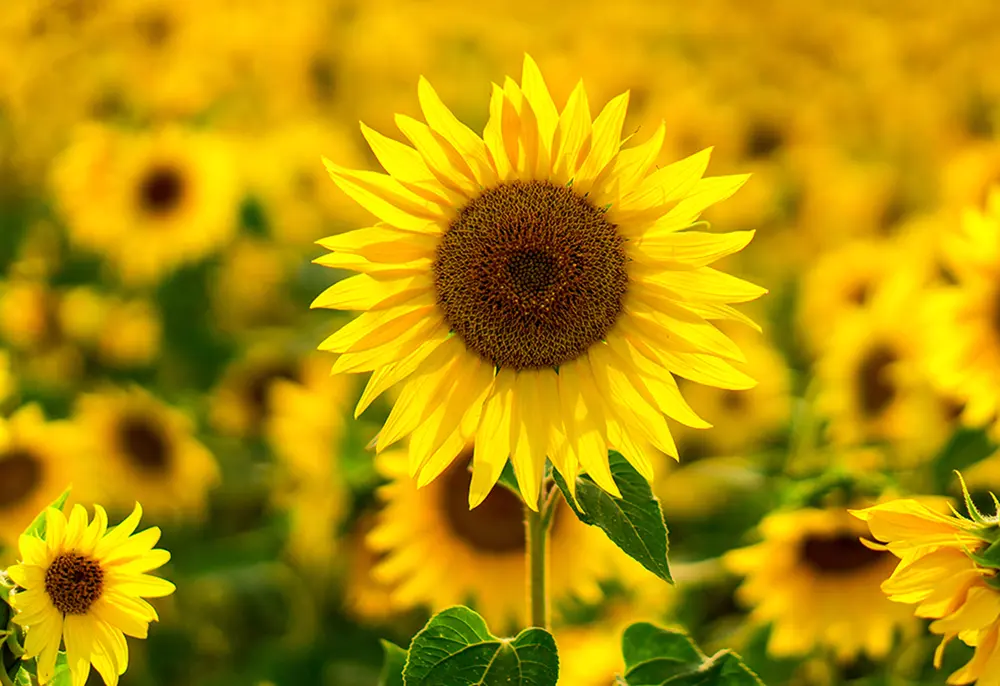
Sunflower Summer Seasonal Flower Jannat Nursery)img

Sun Flower

The Sunflower, is a striking and iconic flowering plant belonging to the Asteraceae family. Native to North America, it is celebrated for its towering height, large blooms, and cheerful, sunny appearance. Sunflowers are both ornamental and agriculturally significant, grown for their beauty, seeds, and oil production.

Physical Characteristics:

  • Plant Type: Annual herbaceous plant.
  • Height: Typically ranges from 1–3 meters (3–10 feet) tall, though some giant varieties can reach over 4.5 meters (15 feet).
  • Stem: Thick, upright, and sturdy, often covered with coarse hairs.
  • Leaves: Broad, heart-shaped, and rough-textured. Arranged alternately on the stem, with prominent veins.

Flowers:

  • Shape: Large, round flower heads (inflorescences) composed of:
    • Ray florets: Bright yellow petals that surround the head; sometimes orange or reddish in certain varieties.
    • Disc florets: Tiny, tubular flowers in the center, forming a circular disc that matures into seeds.
  • Size: Flower heads can measure 10–30 cm (4–12 inches) in diameter, with some varieties reaching up to 50 cm (20 inches).
  • Blooming Season: Summer through early autumn.
  • Fragrance: Mild and earthy.

Growth Requirements:

  • Sunlight: Requires full sun for healthy growth; its name reflects its heliotropic nature (young plants track the sun).
  • Soil: Prefers well-drained, nutrient-rich soil.
  • Watering: Requires consistent watering, especially during germination and flowering stages.
  • Temperature: Thrives in warm climates; sensitive to frost.
  • Fertilization: Benefits from occasional feeding with a balanced fertilizer.

Uses:

  1. Ornamental: Grown for its bold and cheerful appearance in gardens and landscapes.
  2. Agricultural: Cultivated for sunflower oil, seeds, and livestock feed.
  3. Pollinator-Friendly: Attracts bees, butterflies, and other beneficial insects.
  4. Cultural Symbolism: Represents happiness, loyalty, and positivity in many cultures.
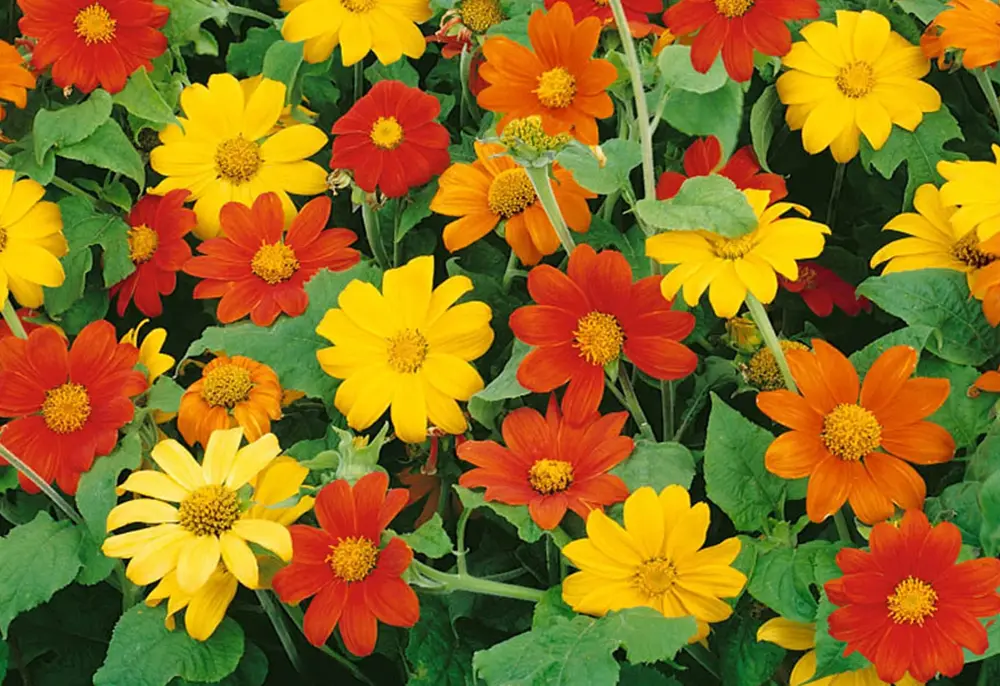
Tithonia Summer Seasonal Flowers)img

Tithonia

The Tithonia Flower, commonly known as the Mexican Sunflower, is a bright and vibrant flowering plant from the Asteraceae family. Native to Mexico and Central America, it is loved for its striking orange or red blooms and its ability to thrive in warm, sunny conditions. It is a popular choice for pollinator gardens and landscapes that need a splash of color.

Physical Characteristics:

  • Plant Type: Herbaceous annual or perennial, depending on the climate.
  • Height: Typically grows between 1–2.5 meters (3–8 feet) tall.
  • Stem: Erect, branching, and slightly coarse to the touch.
  • Leaves: Broad, ovate, and slightly lobed. Dark green with a rough texture. Arranged alternately on the stem.

Flowers:

  • Shape: Daisy-like, with a central disc surrounded by ray florets.
  • Colors: Brilliant shades of orange, red, or yellow.
  • Size: Flowers are 5–10 cm (2–4 inches) in diameter.
  • Blooming Season: Summer through autumn, with prolific blooms in warm conditions.
  • Fragrance: Typically non-fragrant.

Growth Requirements:

  • Sunlight: Requires full sun for optimal blooming.
  • Soil: Thrives in well-drained, moderately fertile soil; tolerates poor soils.
  • Watering: Drought-tolerant but benefits from occasional watering during prolonged dry spells.
  • Temperature: Prefers warm climates and does not tolerate frost.
  • Fertilization: Minimal feeding is needed; too much fertilizer can result in excessive foliage and reduced flowering.

Uses:

  1. Ornamental: Popular for cottage gardens, borders, and wildflower meadows due to its vibrant color and height.
  2. Pollinator-Friendly: Attracts bees, butterflies, and hummingbirds.
  3. Bird-Friendly: Seeds provide food for birds after blooming.
  4. Cut Flowers: Long-lasting in floral arrangements.
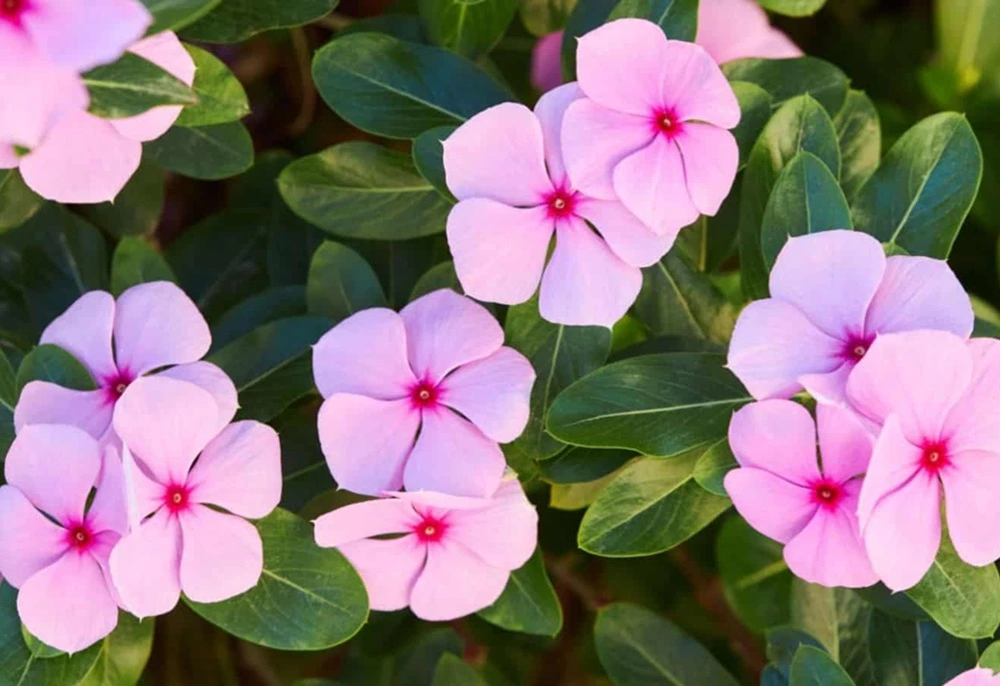
Vinca Summer Seasonal Flowers)img

Vinca

The Vinca Flower, commonly known as Madagascar Periwinkle, is a versatile and hardy flowering plant in the Apocynaceae family. Native to Madagascar, it is widely grown worldwide for its vibrant, low-maintenance blooms and attractive foliage.

Physical Characteristics:

  • Plant Type: Evergreen perennial in tropical climates; often grown as an annual in temperate regions.
  • Height: Typically grows between 15–60 cm (6–24 inches) tall.
  • Spread: Forms a dense, bushy mound up to 60 cm (24 inches) wide.
  • Stems: Smooth, green, and branching.
  • Leaves: Oval or lance-shaped with a glossy, dark green surface. Veins are distinct, and the leaves are arranged oppositely.

Flowers:

  • Shape: Simple, five-petaled, pinwheel-like blooms.
  • Colors: A wide range, including shades of white, pink, red, purple, and bi-colored varieties, often with a contrasting eye in the center.
  • Size: Flowers are approximately 2.5–5 cm (1–2 inches) in diameter.
  • Blooming Season: Blooms continuously from spring to fall in temperate regions; year-round in tropical climates.
  • Fragrance: Typically non-fragrant.

Growth Requirements:

  • Sunlight: Thrives in full sun but tolerates partial shade.
  • Soil: Prefers well-drained, sandy or loamy soil; tolerates poor soil conditions.
  • Watering: Drought-tolerant once established; prefers moderate watering but dislikes waterlogged soil.
  • Temperature: Warm climates are ideal; frost-sensitive.
  • Fertilization: Benefits from light fertilization during the growing season.

Uses:

  1. Ornamental: Ideal for garden beds, borders, containers, and hanging baskets.
  2. Ground Cover: Effective in providing lush, colorful coverage in sunny or partly shaded areas.
  3. Medicinal: Historically used in traditional medicine; contains alkaloids with applications in modern pharmaceuticals, particularly in cancer treatment.
  4. Erosion Control: Useful for stabilizing soil in dry or sandy areas.
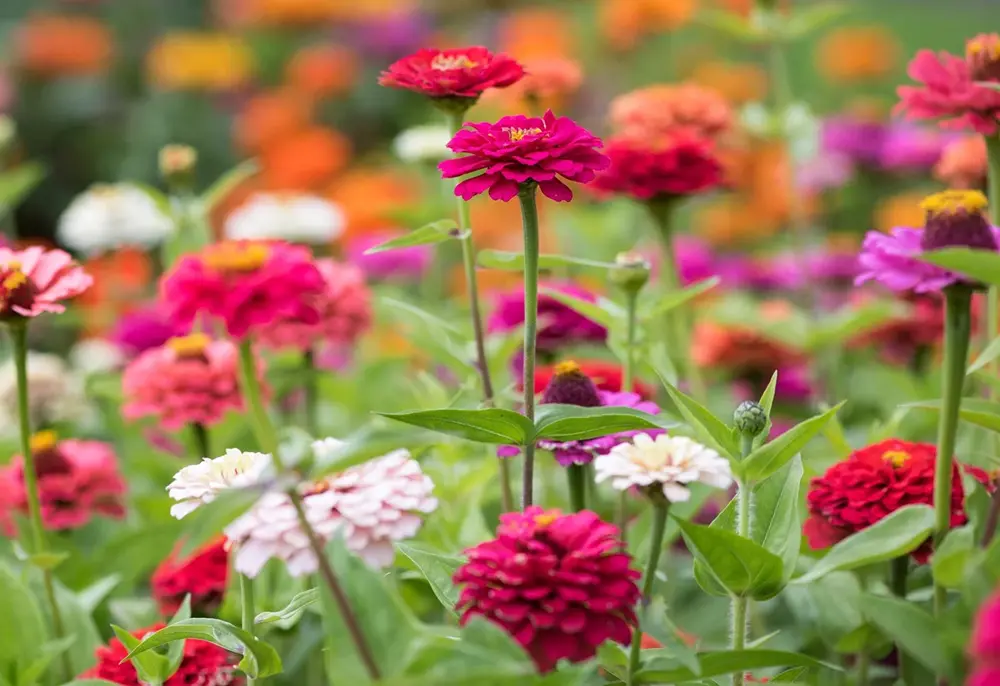
Zinnia Summer Seasonal Flowers)img

Zinnia

The Zinnia Flower, a member of the Asteraceae family, is a cheerful and vibrant annual plant renowned for its bold, long-lasting blooms. Native to Mexico, zinnias are popular in gardens and landscapes for their wide variety of colors, shapes, and sizes, as well as their ability to attract pollinators.

Physical Characteristics:

  • Plant Type: Herbaceous annual.
  • Height: Ranges from 15 cm (6 inches) for dwarf varieties to over 1 meter (3 feet) for taller types.
  • Stem: Erect and sturdy, often branched.
  • Leaves: Opposite or alternate arrangement. Oval or lance-shaped with a slightly rough texture. Bright green and sessile (attached directly to the stem).

Flowers:

  • Shape: Composite blooms with ray florets (petals) surrounding a central disc.
  • Colors: A wide spectrum, including red, orange, yellow, pink, white, purple, and multi-colored patterns.
  • Size: Flowers range from 2.5 cm (1 inch) to over 15 cm (6 inches) in diameter, depending on the variety.
  • Blooming Season: Summer to fall.
  • Fragrance: Generally non-fragrant.

Growth Requirements:

  • Sunlight: Thrives in full sun.
  • Soil: Prefers well-drained, fertile soil but tolerates poor soil conditions.
  • Watering: Moderate watering; avoid overhead watering to reduce the risk of fungal diseases.
  • Temperature: Warm climates are ideal; sensitive to frost.
  • Fertilization: Benefits from light, balanced fertilizer during the growing season.

Uses:

  1. Ornamental: Popular in garden beds, borders, and as cut flowers.
  2. Pollinator-Friendly: Attracts bees, butterflies, and other beneficial insects.
  3. Cut Flowers: Known for their long vase life, making them ideal for floral arrangements.

Edging and Mass Planting: Provides vibrant, colorful displays when planted en masse.